




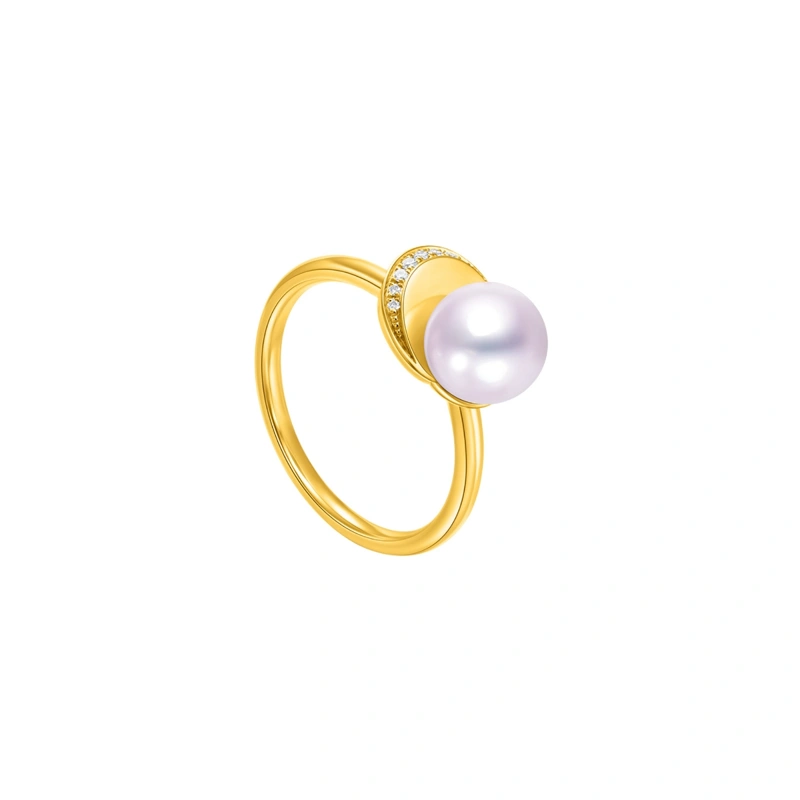
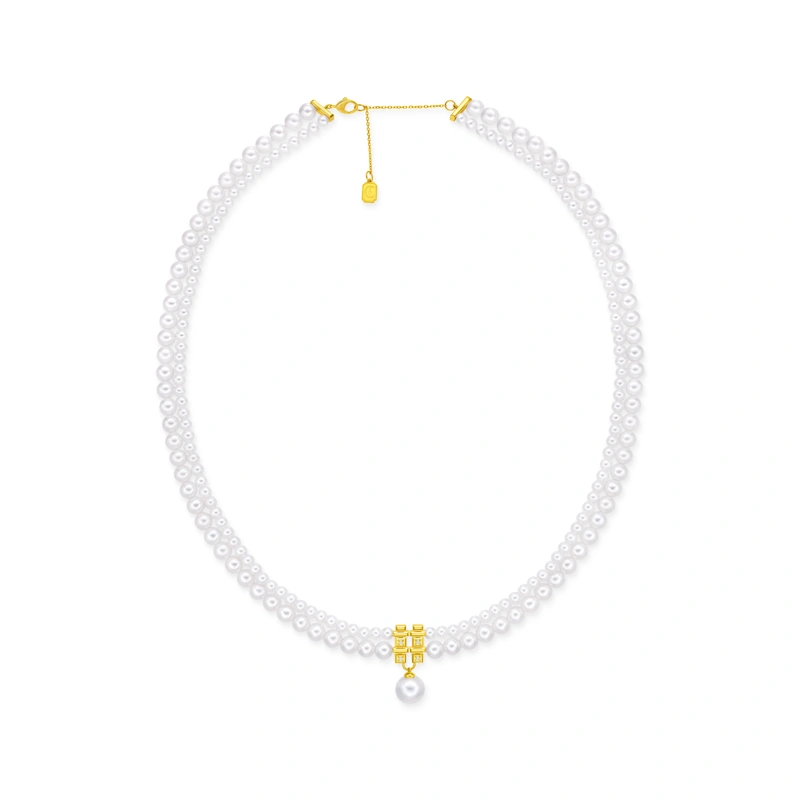
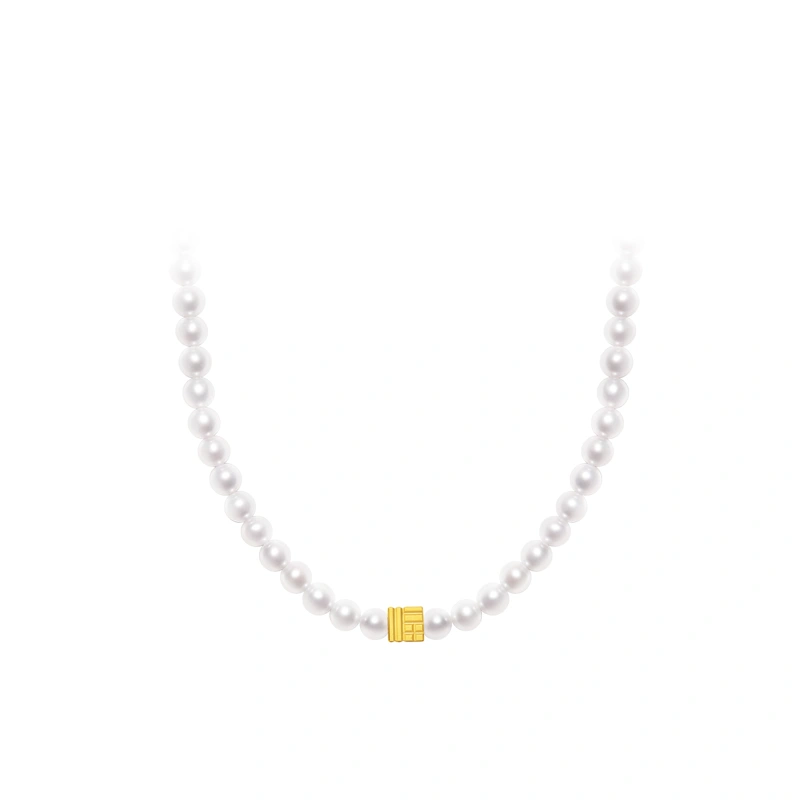
What types of pearls are available?

Pearls are mainly categorized by origin and cultivation method into saltwater pearls and freshwater pearls:
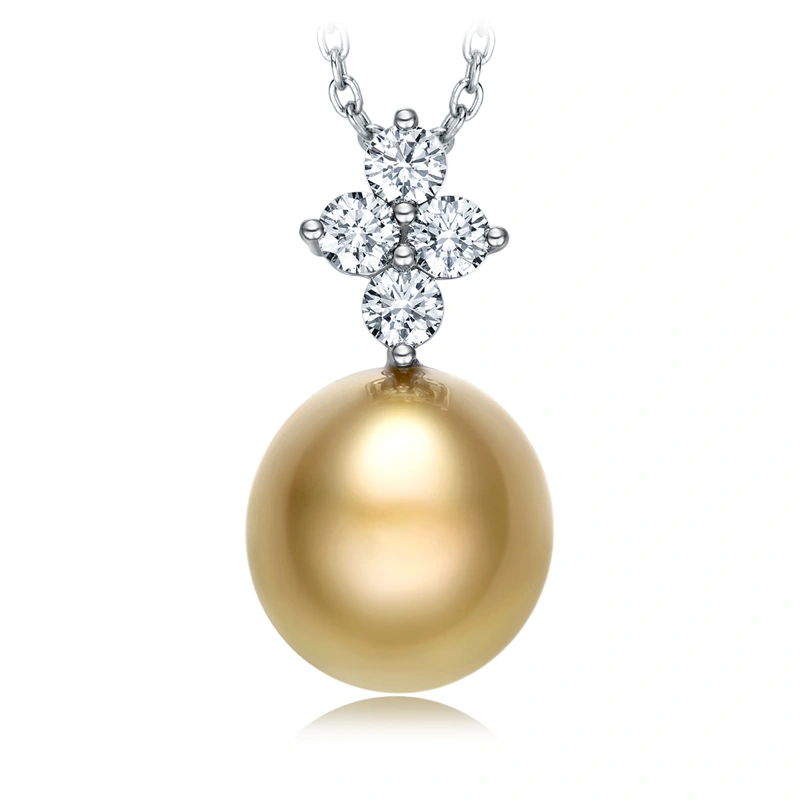
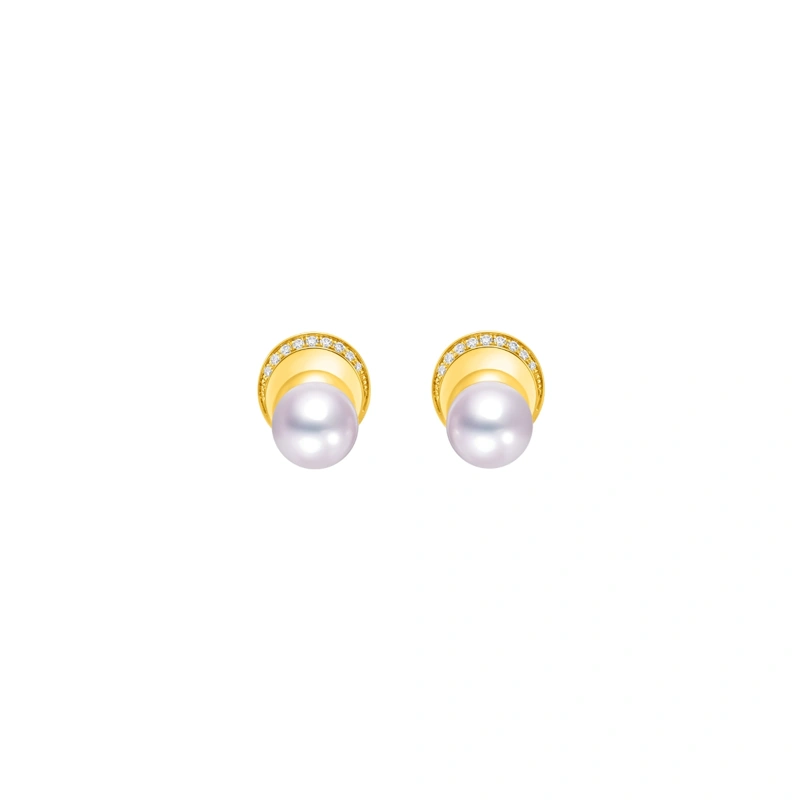
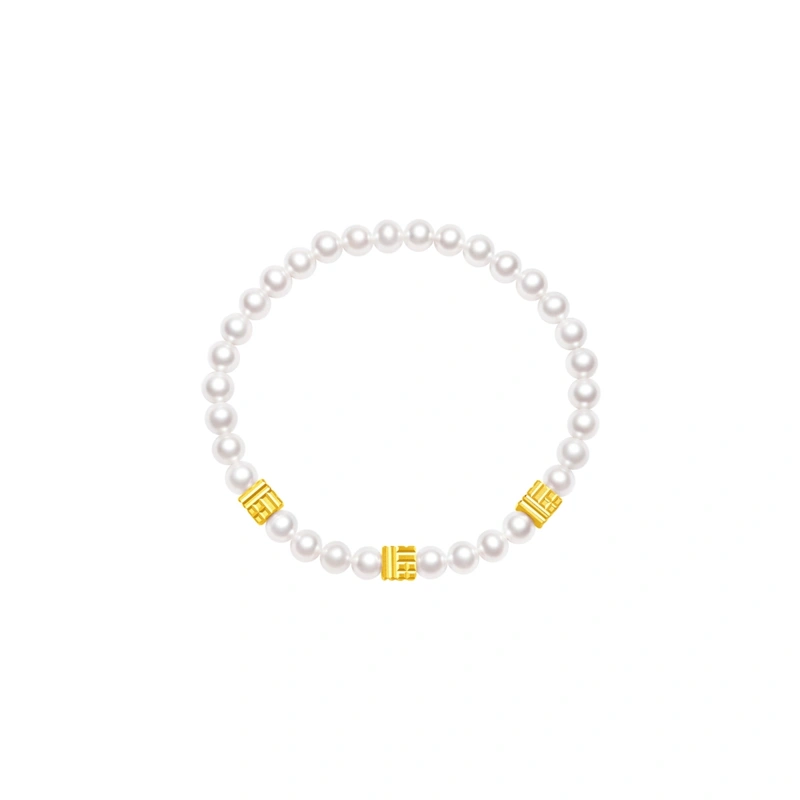
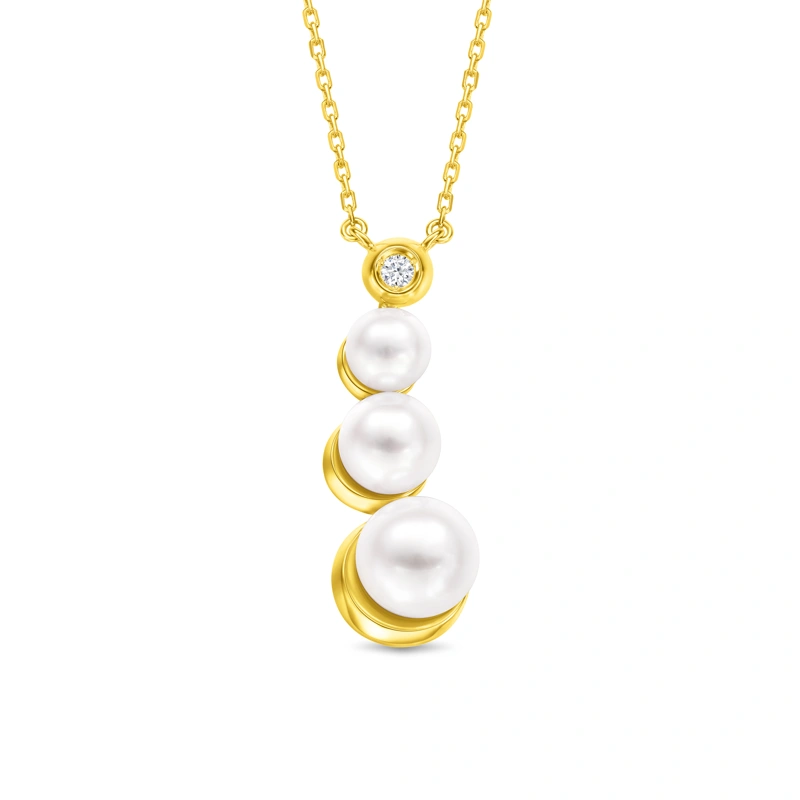
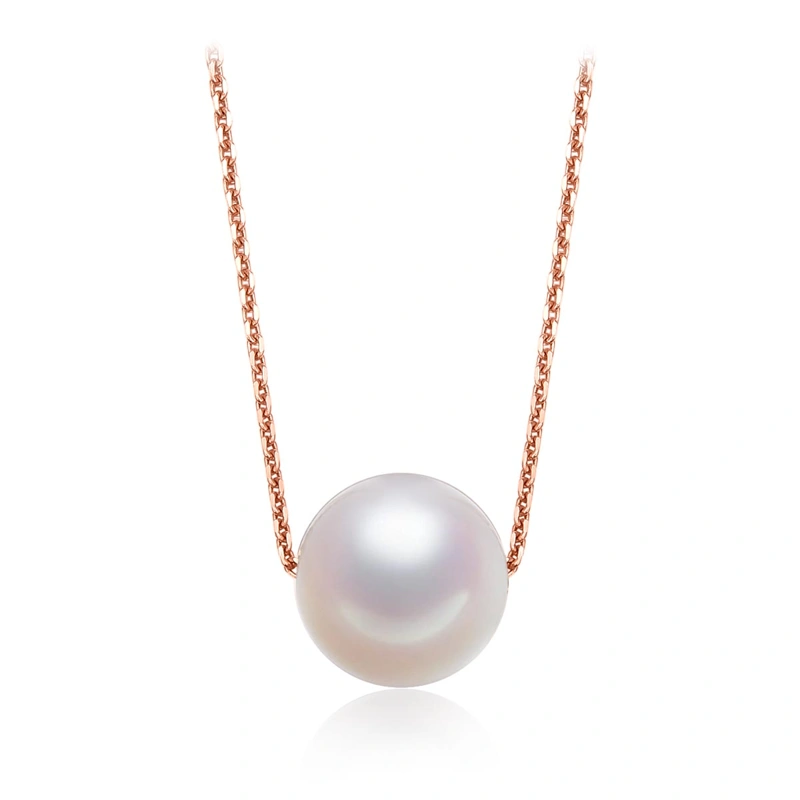
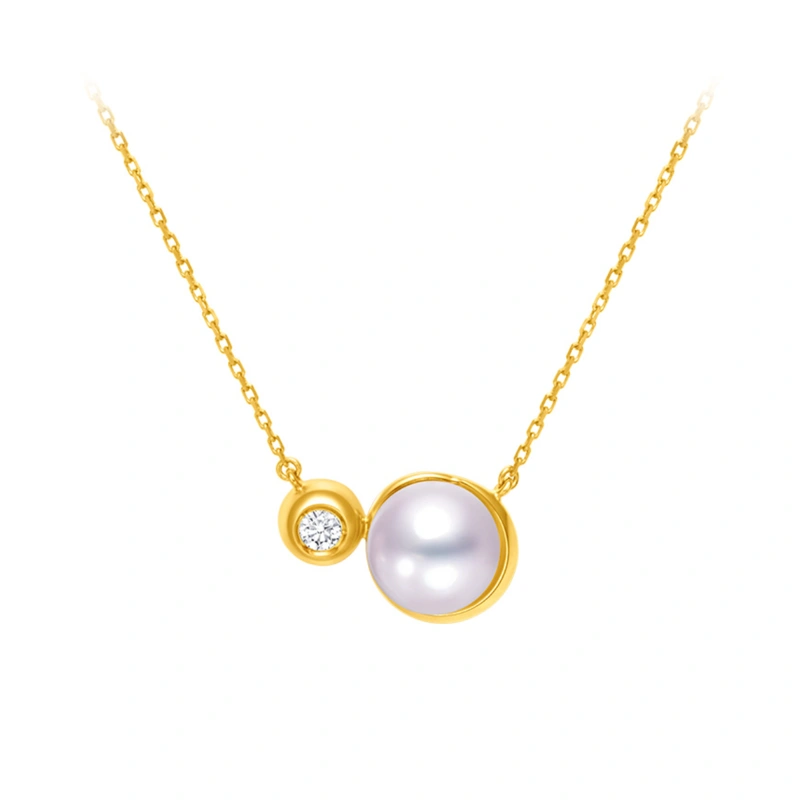
Saltwater pearls: Including South Sea pearls, Japanese Akoya pearls, etc., cultivated by ocean mollusks. They typically offer higher roundness, stronger luster, larger sizes, and higher value – ideal for those seeking luxurious pearl jewellery.
Freshwater pearls: Mainly cultivated in mussels from rivers and lakes. With higher yield, diverse shapes and colors, and more affordable prices, they are perfect for everyday wear and entry-level collecting.
Saltwater pearls: Including South Sea pearls, Japanese Akoya pearls, etc., cultivated by ocean mollusks. They typically offer higher roundness, stronger luster, larger sizes, and higher value – ideal for those seeking luxurious pearl jewellery.
Freshwater pearls: Mainly cultivated in mussels from rivers and lakes. With higher yield, diverse shapes and colors, and more affordable prices, they are perfect for everyday wear and entry-level collecting.
How to distinguish pearl quality?
Pearl value and quality can be evaluated from the following six aspects:
Luster: Higher quality pearls reflect clearer and brighter images with stronger intensity
Surface: Smooth, fine surfaces with minimal spots or blemishes are preferred
Shape: The closer to perfectly round, the higher the value; symmetrical shapes (such as oval or teardrop) also hold market value
Size: Under the same conditions, larger pearls are rarer and more valuable
Color: Quality pearls display uniform, vibrant color with natural iridescence. Common colors include white, cream, pink, and black – those with bright hues and noticeable iridescence are superior
Nacre thickness: Thicker nacre ensures better durability and deeper, longer-lasting luster. Thin nacre with a chalky appearance or peeling indicates poor quality
These factors collectively determine a pearl's overall quality and collecting value. When selecting, consider your personal preferences and budget.
Luster: Higher quality pearls reflect clearer and brighter images with stronger intensity
Surface: Smooth, fine surfaces with minimal spots or blemishes are preferred
Shape: The closer to perfectly round, the higher the value; symmetrical shapes (such as oval or teardrop) also hold market value
Size: Under the same conditions, larger pearls are rarer and more valuable
Color: Quality pearls display uniform, vibrant color with natural iridescence. Common colors include white, cream, pink, and black – those with bright hues and noticeable iridescence are superior
Nacre thickness: Thicker nacre ensures better durability and deeper, longer-lasting luster. Thin nacre with a chalky appearance or peeling indicates poor quality
These factors collectively determine a pearl's overall quality and collecting value. When selecting, consider your personal preferences and budget.
What is the symbolism of pearls? What does gifting pearls represent?
Pearls have long been regarded as symbols of purity, elegance, and nobility. In Eastern cultures, pearls represent completeness and good fortune; in Western traditions, they symbolize innocence and wisdom. Gifting pearl jewellery conveys appreciation, blessings, and deep affection for the recipient – a sincere choice for birthdays, anniversaries, and special occasions.
Are cultured pearls real pearls?
Yes, cultured pearls are real pearls. Cultured pearls have the exact same composition as natural pearls, both formed by mollusks secreting nacre – the only difference is human intervention in the cultivation process. Over 99% of pearl jewellery on the market features cultured pearls, with quality and beauty recognized internationally, offering both collecting and wearability value.