




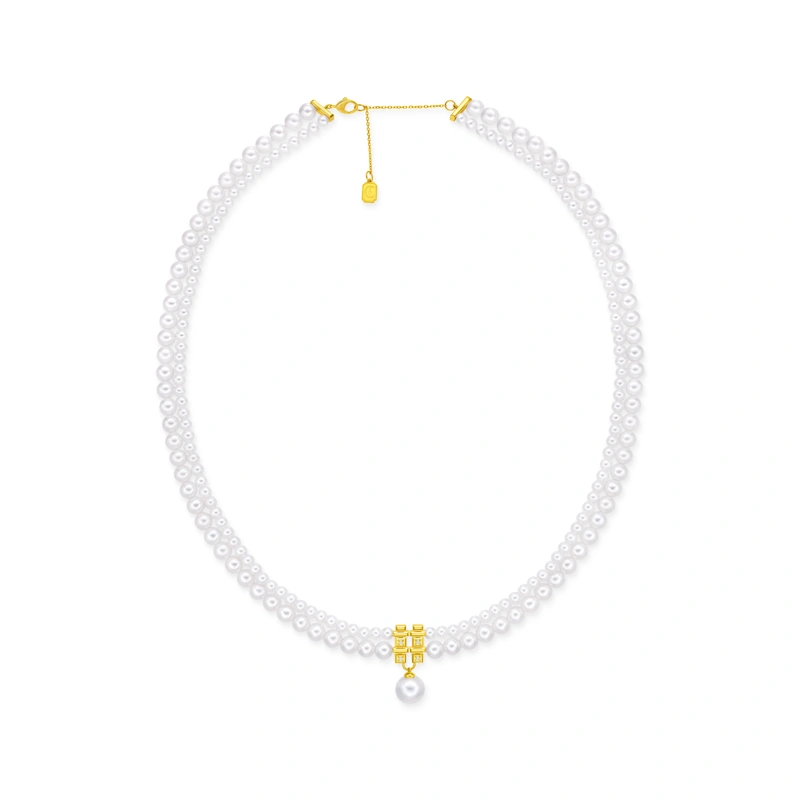
What types of pearls are available?

Pearls are mainly categorized into saltwater pearls and freshwater pearls.
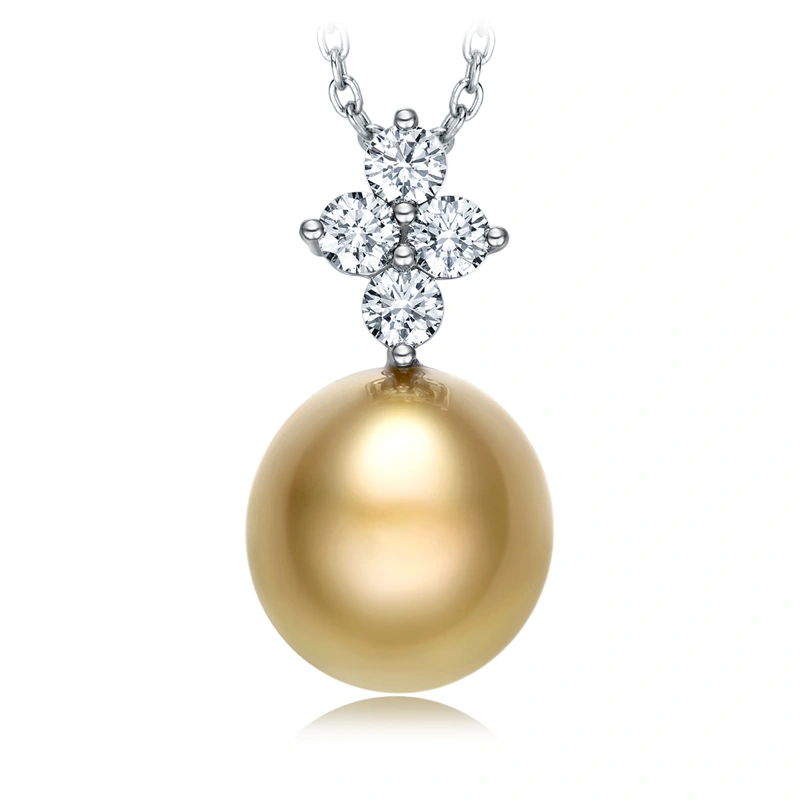
Saltwater pearls: Such as South Sea pearls and Japanese Akoya pearls, are cultivated in the ocean and are prized for their exceptional luster, high roundness, and luxurious appearance.
Freshwater pearls: Cultivated in lakes and rivers, they offer a wide variety of shapes and colors at a more accessible price point, making them ideal for everyday wear or entry-level collecting.
Saltwater pearls: Such as South Sea pearls and Japanese Akoya pearls, are cultivated in the ocean and are prized for their exceptional luster, high roundness, and luxurious appearance.
Freshwater pearls: Cultivated in lakes and rivers, they offer a wide variety of shapes and colors at a more accessible price point, making them ideal for everyday wear or entry-level collecting.
How to distinguish pearl quality?
Pearl quality and value can be evaluated from six key aspects:
Luster: Higher quality pearls reflect clearer and brighter images with stronger shine.
Surface: Smooth, fine surfaces with fewer spots or blemishes are preferred.
Shape: The closer to perfectly round, the higher the value; symmetrical shapes such as oval or teardrop also have market appeal.
Size: Under the same conditions, larger pearls are rarer and more valuable.
Color: Quality pearls display even, vivid color with natural iridescence; common colors include white, cream, pink, and black.
Nacre thickness: Thicker nacre offers better durability and deeper, longer-lasting luster, while thin nacre with a chalky look or peeling indicates lower quality.
These factors together determine a pearl's overall quality and collecting value, so it is best to choose based on your personal preference and budget.
Luster: Higher quality pearls reflect clearer and brighter images with stronger shine.
Surface: Smooth, fine surfaces with fewer spots or blemishes are preferred.
Shape: The closer to perfectly round, the higher the value; symmetrical shapes such as oval or teardrop also have market appeal.
Size: Under the same conditions, larger pearls are rarer and more valuable.
Color: Quality pearls display even, vivid color with natural iridescence; common colors include white, cream, pink, and black.
Nacre thickness: Thicker nacre offers better durability and deeper, longer-lasting luster, while thin nacre with a chalky look or peeling indicates lower quality.
These factors together determine a pearl's overall quality and collecting value, so it is best to choose based on your personal preference and budget.
What is the significance of wearing pearl jewelry at a wedding?
Pearls symbolize completeness and happiness, with their round shape representing a harmonious marriage and family unity.
Formed through time and endurance, pearls also signify pure, enduring love that can stand the test of time.
In Western tradition, pearls are believed to "take away the bride's tears," expressing wishes for a joyful marriage and lasting happiness.
Formed through time and endurance, pearls also signify pure, enduring love that can stand the test of time.
In Western tradition, pearls are believed to "take away the bride's tears," expressing wishes for a joyful marriage and lasting happiness.
What types of wedding dresses go best with pearl jewelry?
Pearl jewelry complements a wide range of bridal styles.
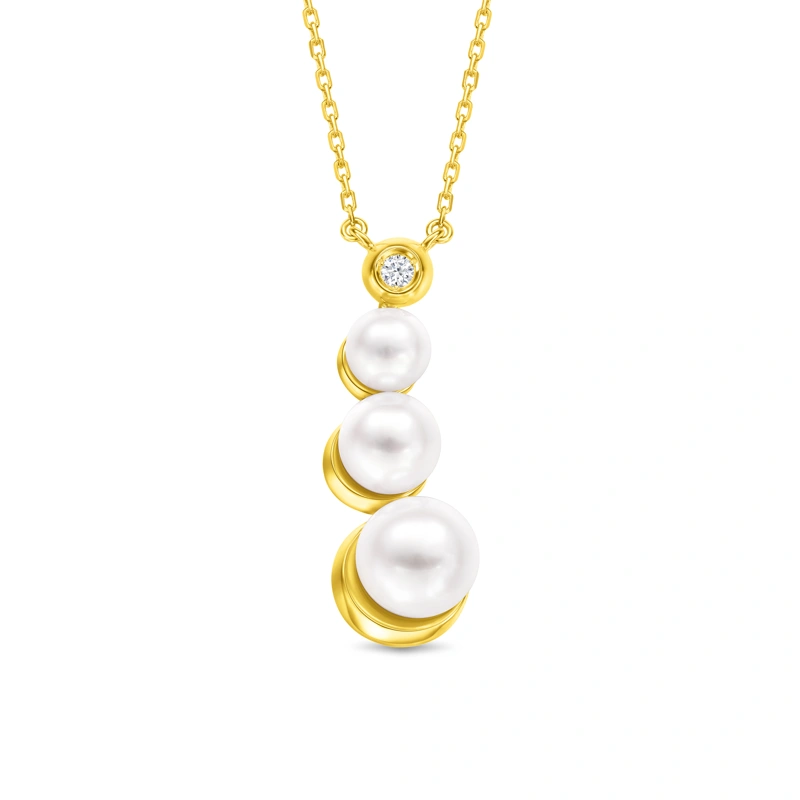
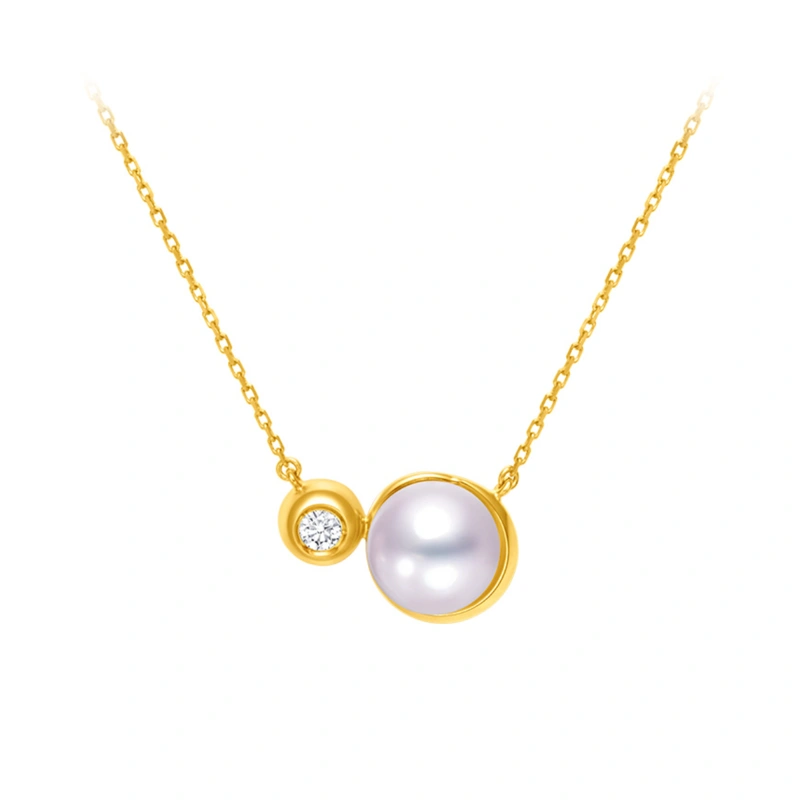
A pearl necklace beautifully enhances off-the-shoulder or V-neck wedding dresses by highlighting the neckline and adding elegant layers.
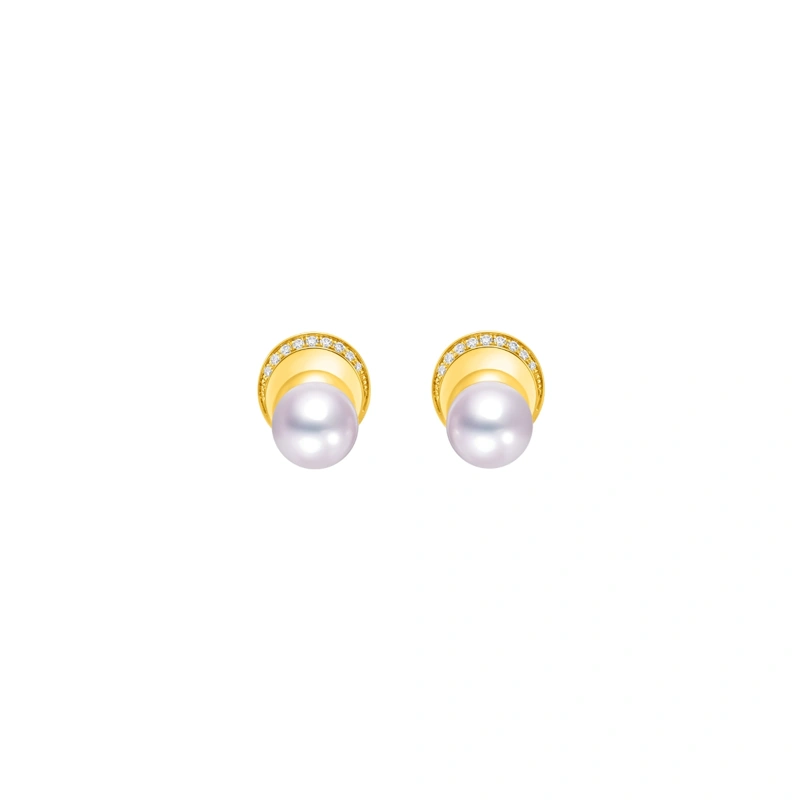
Meanwhile, pearl earrings pair especially well with vintage lace gowns or traditional Chinese Qungua, helping balance the overall look while bringing out the bride's graceful and refined temperament.
A pearl necklace beautifully enhances off-the-shoulder or V-neck wedding dresses by highlighting the neckline and adding elegant layers.
Meanwhile, pearl earrings pair especially well with vintage lace gowns or traditional Chinese Qungua, helping balance the overall look while bringing out the bride's graceful and refined temperament.