




What is 925 Sterling Silver?
A Complete Guide to S925 Composition, Cleaning, Maintenance, and Authenticity Verification

The market is flooded with silver jewellery, ranging from "S925" and "Fine Silver" to "Sterling Silver," with wildly varying price tags. Before investing in sterling silver pieces, understanding the distinctions between S925, 999 fine silver, and silver-plated jewellery will help you minimize allergy risks and simplify future care.
Common silver jewellery generally falls into three categories:
- 925 Sterling Silver (S925): Composed of 92.5% pure silver alloyed with 7.5% copper (or other metals) for optimal hardness and flexibility. This is the gold standard for everyday jewellery.
- Fine Silver (999): Contains over 99% pure silver. Extremely soft and prone to warping, it's mostly used for bullion, commemorative coins, or minimalist designs.
- Silver-Plated Jewellery: Features a thin silver coating over a base of copper or alloy. Affordable, but its durability, oxidation rate, and care requirements differ entirely.
In theory, higher purity sounds better, but 100% pure silver is entirely impractical for jewellery for a few key reasons:
- 999 Fine Silver is too soft: It easily warps and scratches—especially vulnerable areas subjected to daily pull and wear, like rings, earring posts, and clasps.
- 925 Sterling Silver is built to last: Adding a precise amount of copper boosts durability and resilience, making it ideal for daily wear.
- Better stability for setting stones: The increased hardness securely locks gemstone prongs in place, minimizing the risk of loose stones.
As a result, everyday pieces like earrings, necklaces, and bracelets rely on 925 sterling silver to balance beauty with practicality, while 999 silver is reserved for bars, medallions, and simple statement pieces.

Genuine 925 sterling silver pieces typically carry a fineness stamp in a discreet spot to help consumers identify the material. Look out for these common marks:
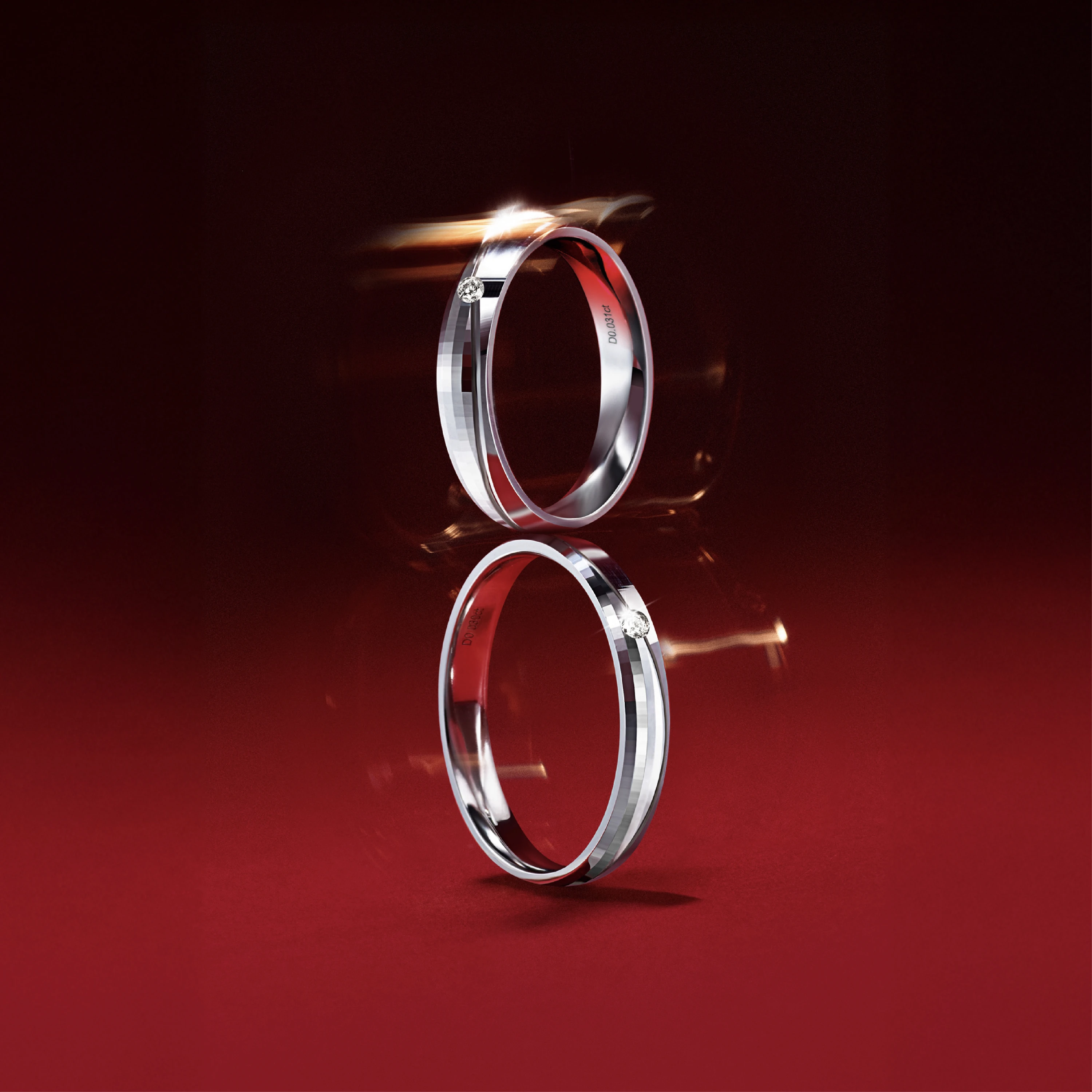
- 925 / S925 / Ag925: Signifies roughly 92.5% silver content ("Ag" is the chemical symbol for silver).
- Sterling/Sterling Silver: The international standard designation for 925 purity.
- 999/990: Found on high-purity silver bars or bullion, denoting higher silver content.
When shopping for S925 jewellery (earrings, necklaces, rings, or bracelets), keep these quick checks in mind:
- Hunt for hidden stamps: Inspect earring posts, necklace clasps, inner ring bands, or bracelet connectors.
- Read the tags: Check tags or certificates for "925 Sterling Silver" or "Sterling Silver." If it says "Silver Plated" or "Alloy," it's just a surface coating over base metal.
Trusted Hong Kong brands like Chow Tai Fook clearly mark their purities, giving you total peace of mind for future maintenance, cleaning, and warranty services.
While professional lab tools are the only 100% guarantee, you can easily vet silver jewellery using these quick sanity checks:
- Check your receipt & invoice: Ensure the certificate or receipt explicitly states "925 Sterling Silver" or "Sterling Silver" rather than ambiguous terms like "fashion silver" or "silver-toned." This is vital for customer service or returns.
- Inspect stamps and craftsmanship: Authentic S925 stamps should be crisp and clean. If the hallmark is blurry, faint, or entirely missing, proceed with caution.
- Run simple physical tests:
- Magnet test: Pure silver is non-magnetic. If a magnet snaps firmly to the piece, it's packed with iron or nickel underneath.
- Weight & density: Solid sterling silver has a satisfying, substantial weight. If a bulky piece feels light as plastic, it's likely a hollow-plated alloy.
Shopping with reputable houses like Chow Tai Fook guarantees transparent labeling and comprehensive receipts for hassle-free aftercare.
Yes, it does. Over time, 925 sterling silver naturally darkens or tarnishes due to standard chemical and oxidation reactions—this is normal behavior, not a sign of a fake or cheap product.
When silver reacts with airborne sulfur compounds, a thin gray-black layer of silver sulfide tarnish forms on the surface. The speed of oxidation depends heavily on your environment and lifestyle:
- Air and Climate: High humidity like Hong Kong's climate or sulfur-heavy environments including industrial zones and hot springs supercharge the oxidation process.
- Daily Exposure: Frequent contact with hot spring water, sulfur soaps, perfumes, or lotions accelerate tarnish.
- Skin Chemistry: Everyone's sweat acidity and sebum secretion are unique, and certain skin chemistries naturally tarnish silver faster.
Tarnishing is simply a natural trait of 925 silver. With correct cleaning habits, most tarnish layers can be easily wiped away to restore that brand-new shine.
Many think silver is afraid of water, but the real culprits are the dissolved compounds and wearing conditions:
- Sweat and Skin Oils: Mildly acidic and salty sweat breaks down the metal surface over time, speeding up sulfidation.
- High Humidity: Moisture supercharges airborne chemical reactions. In humid places like Hong Kong, anti-humidity storage is non-negotiable.
- Perfumes and Skincare: Chemical additives, especially oxidizing or sulfur-rich formulas, strip silver of its radiance.
- Pools, Seas, and Hot Springs: Pool chlorine, ocean salt, and hot spring sulfur are absolute silver killers, causing irreversible surface damage and instant blackening.
Brief splashes of clean water are fine, but never wear your silver while showering, swimming, or soaking in hot springs, and always dry it right away.

If your silver looks slightly dull or coated in oils, start with gentle methods to avoid scratching:
- Silver Polishing Cloth: Infused with micro-polishers and anti-oxidation agents to tackle surface tarnish. Wipe gently in one direction—never scrub back and forth aggressively.
- Warm Water & Mild Dish Soap: Soak sweaty or oily pieces in warm water mixed with a drop of gentle dish soap for a few minutes. Clean crevices softly with a soft-bristled brush (like a baby toothbrush), then rinse thoroughly.
- Commercial Silver Dip (Plain Silver Only): Strips away heavy black tarnish instantly. Highly corrosive, so use sparingly and never on pearls, gemstones, plated items, or antiqued designs.
Proper post-wash care is the secret weapon to keeping silver tarnish-free for longer:
- Thorough Rinse:
Always flush away all cleaner or dip residues with running water to prevent chemical corrosion or skin irritation.
- Gentle Pat Dry:
Use a soft, ultra-absorbent cotton cloth or tissue to gently press out moisture—never pull or twist delicate chains or posts with rough towel.
- Complete Air Dry:
For intricate designs featuring tiny gaps, links, or settings, let pieces air dry completely in a cool space to prevent trapped moisture.
- Airtight Moisture-Proof Storage:
- Store solo: Keep items in individual sealed ziplock bags, squeezing out all air to block sulfur exposure.
- Toss in a desiccant: Essential for humid regions like Hong Kong—drop a mini silica gel packet into your jewellery box.
- No stacking: Never let pieces rub against each other to avoid friction scratches.
Prevention is everything. To slow down oxidation and keep tarnish at bay:
- The "Last On, First Off" Rule: Apply perfumes, lotions, and sunscreens first, let them fully absorb, and put your silver on last. Take your silver off first when you get home.
- Airtight Sealing: Wipe away sweat with a dry cloth immediately after taking jewellery off, and seal it tightly in an anti-tarnish bag.
- Use Anti-Tarnish Paper or Silica Gel: Keep moisture-absorbing packets or anti-oxidation paper inside your storage boxes for long-term protection in humid climates.
Specialized designs demand extra care:
- Gemstone & Pearl Inlays (Pearls, Turquoise, Opals, etc.): Never soak in silver dips or harsh cleaners. Porous or delicate gems absorb chemicals and lose their glow. Just wipe the metal parts gently with a damp soft cloth.
- Electroplated Silver (Rhodium, Rose Gold, Yellow Gold Plating): Avoid heavy scrubbing with polishing cloths, which will strip the delicate plating and expose the base metal. Simply buff gently with soft dry cloth.
- Antiqued / Vintage Oxidized Silver: Stay away from silver dips and heavy polishing. The dark recessed shading is an intentional vintage effect, and scrubbing it will ruin the design. Only clean the raised highlights.
A common myth is that 925 sterling silver equals being 100% allergy-free:
- 925 only defines silver content: 92.5% is pure silver, and the remaining 7.5% is usually copper. However, cheap low-end silver jewellery sometimes sneaks in trace amounts of nickel to cut costs.
- Nickel-Free is a separate standard: Unless explicitly certified as nickel-free, not all 925 silver is guaranteed to be completely free of nickel.
High-quality 925 silver is naturally gentle compared to cheap alloys. If you have sensitive skin, look for these checkpoints:
- Look for Nickel-Free: Always prioritize pieces explicitly marked as low-allergy or nickel-free.
- Inspect skin-contact points: Pay close attention to earring posts, necklace clasps, and inner rings that touch your skin directly.
- Patch test: Wear new pieces for just a few hours first to check your skin's tolerance.
If you notice skin changes while wearing silver jewellery, identify the underlying cause through these symptoms:
- Green or Black Smudges (Harmless Staining):
Gray-green marks on the skin with zero itching, redness, or pain. This is just harmless copper salt reacting with sweat, or surface tarnish rubbing off. Wash skin with soap and wipe the jewellery clean.
- Redness, Rashes, & Itching (Metal Allergy):
If redness, stinging, rash, or peeling occurs where jewellery touches skin, it indicates a contact allergy to metal components (especially nickel blended into cheap alloys). Stop wearing it immediately and wash the area and seek medical advice if symptoms persist.
- Swollen or Oozing Piercings:
This may stem from a metal allergy, poor hygiene, or tearing during wear. Temporarily switch to medical-grade stainless steel, titanium, or verified nickel-free ear posts, and disinfect earlobes regularly.
Protect your skin with these smart habits:
- Ask before you buy:
Confirm with the seller whether the item is completely nickel-free, including the posts and clasps.
- Listen to your skin:
If a specific piece consistently triggers rashes or itching, retire it—even if it's stamped 925, your skin simply doesn't like that specific alloy blend.
- Choose safe backups:
During a skin flare-up, switch to stable medical-grade stainless steel or titanium until you heal.
By mastering S925 silver basics, learning how to read hallmarks, adopting smart cleaning and anti-oxidation habits, and being mindful of skin sensitivities, you'll maximize the lifespan of your favorite jewellery and wear it in total comfort!
- Silver Polishing Cloth: Perfect for light daily tarnish on plain silver, being safe, easy, and effective at controlling oxidation buildup.
- Silver Dip Cleaner: Best for severely tarnished plain silver; removes black tarnish quickly but is corrosive, requiring strict timing and thorough rinsing. Never use dip cleaners on plated, antiqued, or gemstone-set jewellery.


- Terms and Conditions
- Terms of Use
- Privacy Policy
- Official Statement
-
Related Sites

- © 2026 Chow Tai Fook Jewellery Company Limited

House of CTF
Customer Service
- Terms and Conditions
- Terms of Use
- Privacy Policy
- Official Statement
-
Related Sites