




From Formation, 4C Standards to GIA Certificates & Complete Engagement Ring Buying Guide
This comprehensive guide covers essential knowledge of natural diamonds, clarifying common quality and pricing misconceptions for diamond jewellery shoppers. Exploring diamond formation, 4C standards, GIA certification, selection logic, authenticity verification and care tips, it offers an authoritative, practical reference for first-time buyers.

As timeless and beloved classic fine jewellery, natural diamonds are widely worn daily and cherished as iconic tokens for proposals and weddings. Their enduring value and appreciation potential stem from their extreme natural formation conditions and non-renewable, scarce nature.
Natural diamonds are non-renewable mineral resources. Long-term global mining has led to a continuous decline in the output of high-quality rough diamonds. Driven by market supply and demand, the scarcity of natural diamonds remains stable in the long run. Large-carat premium diamonds deliver reliable value retention and high market liquidity, making them ideal choices for wedding wear and entry-level jewellery collection.
The 4C standards and carat weight are the two core industry criteria for diamond selection, directly determining a diamond’s overall quality and market price. They are the fundamental must-know knowledge for all beginner diamond buyers.
The 4Cs consist of four key dimensions: Carat, Color, Clarity and Cut. Together, they directly determine a diamond's visual brilliance, fire performance and ultimate market value.
- Carat: Carat is the international unit of measurement for a diamond’s weight, commonly known locally as "carat count" (卡數). 1 carat equals 0.2 grams or 100 points. Note that 1 carat represents weight, not a fixed diamond size. The actual diameter of a diamond is usually measured in mm (millimeters) and is influenced by cut proportions, shape, and setting style. For instance, a 1-carat round brilliant cut diamond may differ in diameter and visual appearance from fancy cuts like emerald or princess cuts. Therefore, visual size cannot be judged by carat weight alone. Diamond pricing is also non-linear; as carat weight increases, rarity jumps, and prices climb geometrically. This is the core reason larger carat diamonds offer significantly better value retention.
- Color: The color of natural diamonds is graded on a scale from D to Z, where the closer to D (colorless), the higher the value. D–F represents the premium, completely colorless range. G–H grades feature faint warm undertones that are virtually invisible to the naked eye under normal viewing distances, proper cut, and setting, making them a budget-friendly, high price-to-performance choice. Subtle differences may be noticed when comparing D, F, and G loose diamonds side-by-side under magnification or against a white background; warm tones in G color are even less noticeable on yellow or rose gold bands. From H color downwards, yellow tones become gradually more obvious, potentially affecting transparency and market value.
- Clarity: Clarity evaluates the size, quantity, and location of natural inclusions and blemishes inside a diamond, ranging from FL (Flawless) to I3 (Heavy Included). Most natural diamonds carry tiny natural traces. VVS and VS grade diamonds feature ultra-minimal flaws invisible to the naked eye, striking an ideal balance between quality and price — perfect for daily wear and engagement rings.
- Cut: Cut is the only factor among the 4Cs determined by human craftsmanship, directly dictating the diamond's sparkle and fire. Well-proportioned and symmetrical cuts enable complete light refraction, delivering stunning brilliance. Unbalanced cuts cause light leakage, making diamonds look dull and lifeless.
| Carat Specification | Standard Loose Diamond Diameter (mm)* |
Ideal Wear Occasions | Value Attributes & Core Advantages |
| 0.3 – 0.5 carat (30 – 50 points) | Approx. 4.3 – 5.1mm | Daily wear, casual styling and everyday diamond jewellery | Versatile and cost-effective, serving as the optimal entry-level option for fine diamond jewellery |
| 1 carat | Approx. 6.5mm | Proposal, wedding ceremony and formal occasions | Stable value retention with standard carat grading. Well-proportioned for superior visual brilliance, making it the mainstream choice for wedding diamond jewellery |
| 2 carats & above | Approx. 8.1mm & above | High-end collection, investment and premium formal events |
Extremely scarce with high market liquidity, featuring outstanding value retention and appreciation potential for premium diamond jewellery collections |
*Diameter values apply only to standard Round Brilliant Cut diamonds. Sizes of fancy shape diamonds vary by cut geometry.
Budget-Friendly 4C Matching Principle: Blind pursuit of premium grading parameters is unnecessary. Prioritize carat weight and superior cut to deliver optimal visual volume and maximum diamond brilliance. Moderately relax colour and clarity specifications within the scope of naked-eye imperceptibility to streamline budget and source high-quality, cost-efficient diamond jewellery.

A standard GIA Diamond Grading Report documents definitive quality metrics, including official 4C grades, fluorescence classification, and precise proportion grading. Critically, milky texture and brown tint — prevalent visual anomalies that suppress diamond fire and brilliance — are not formally graded in the official GIA grading framework and can only be verified via professional in-person appraisal. Diamonds with zero fluorescence and the absence of milky or brown visual defects deliver consistent light performance, superior visual presentation, and stable residual value. Conversely, stones with strong fluorescence or ungraded milky/brown irregularities exhibit compromised optical performance and lower market valuation.
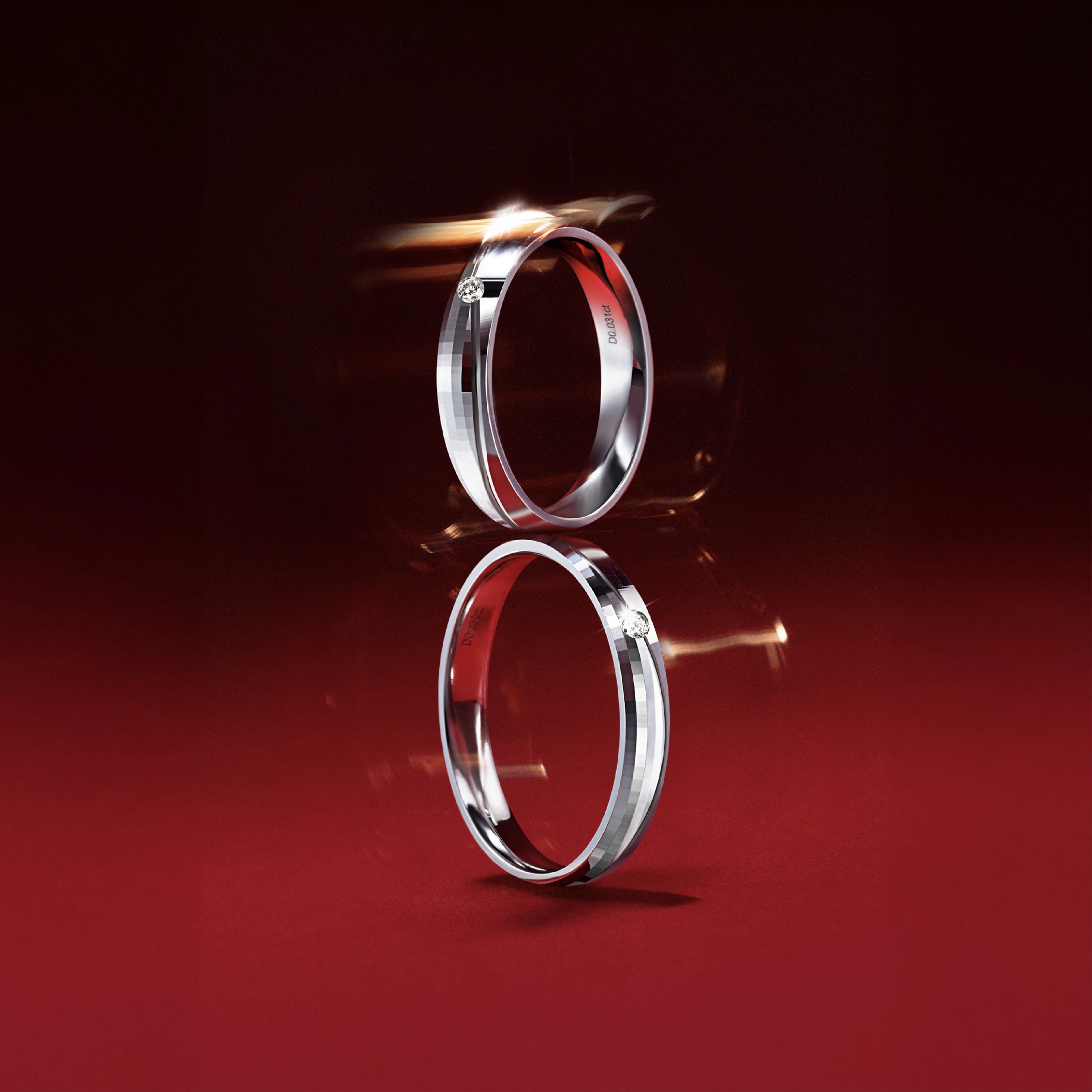
Diamond rings suit daily wear, couple styling, proposals and wedding occasions. Final pricing hinges on design, band material, craftsmanship and loose diamond specifications. Professional selection principles help buyers choose elegant, practical, budget-friendly diamond rings for all scenarios.

| Setting Style | Core Characteristics | Applicable Occasions |
| Six-Prong Setting | Timeless, robust and diamond-accentuating, maximizing the inherent brilliance of the center diamond | Ideal for engagement rings and formal wedding occasions |
| Four-Prong Setting | Minimalist and sleek structure with unobstructed light penetration, delivering exceptional transparency and versatile styling |
Perfect for long-term daily wear and casual everyday styling |
| Bezel Setting | Features streamlined edged construction with high wear safety, preventing scratches on skin and garments |
Suitable for commuting, high-activity lifestyles and understated styling |
| Halo Setting | Surrounding accent diamonds enlarge the visual volume of the center stone, presenting an exquisite look with outstanding cost efficiency |
Perfect for budget-focused buyers seeking a luxurious, enhanced visual effect |
Pt950 Platinum and 18K Gold are the two most mainstream ring band materials, with distinct characteristics for different needs:
Pt950 Platinum: Featuring stable chemical properties and permanent tarnish resistance, platinum presents a pure and premium texture, perfectly matching the symbolic purity of wedding tokens. Its relatively soft texture may develop fine scratches after long-term wear.
18K Gold: Composed of 75% pure gold blended with premium alloys, it comes in white, yellow and rose gold finishes. It boasts high hardness and toughness, firmly securing diamonds and supporting complex craftsmanship and large-carat center stones, delivering excellent practicality and compatibility.
- Loose Diamond Selection: Prioritize natural diamonds with official GIA certificates. GIA Excellent top-grade cut is highly recommended to ensure perfect light refraction and full fire, presenting a premium, brilliant visual effect.
- Carat Specifications: 30–50 point diamonds are the mainstream choice for engagement rings, balancing visual effect and budget perfectly. For higher value retention and stunning visual impact, 1-carat or larger diamonds are ideal for sufficient budgets.
- Style Recommendation: Classic six-prong and four-prong crown designs are timeless and versatile. They balance ceremonial sense and daily practicality, remaining elegant for everyday wear after marriage.
Under similar conditions, a 1-carat lab-grown diamond typically retails between HKD 5,000 and 18,000, with prices adjusting higher for superior color, clarity, cut grades, or branded products. These figures serve as budget references rather than fixed list prices; actual quotes depend on grading agencies, proportions, fluorescence, milky or brown tints, setting materials, and sales channels. For identical 4C specs and similar dimensions, lab-grown diamonds are generally 60% to 90% less expensive than natural diamonds, with price gaps reaching tens of thousands of Hong Kong dollars. Natural diamond pricing reflects its natural scarcity, mining and processing costs, as well as market recognition regarding origin and liquidity. Lab-grown diamonds are created in laboratories using modern technology; while sharing near-identical physical and chemical properties with natural diamonds, their abundant supply results in lower entry prices. For buyers prioritizing appearance, size, and budget efficiency, lab-grown diamonds offer high cost performance. For those valuing natural origin, traditional marital symbolism, secondary-market recognition, and long-term collectible value, natural diamonds remain the preferred choice.
Chow Tai Fook offers exclusively natural diamonds across a wide variety of styles, widely favored by consumers.
- Avoid oil contamination and dullness: Diamonds feature strong oleophilic properties. Keep them away from cosmetics, fragrances, skincare products and kitchen fumes. Surface oil residue blocks light refraction, diminishing diamond brilliance and fire.
- Prevent impact damage and chipping: Though diamonds rank highest in natural hardness, they are brittle. Strong impacts along crystal cleavage planes may cause chipping or internal cracks. Remove diamond jewellery during housework, exercise and strenuous activities.
- Gentle home cleaning: For light oil stains, soak diamond jewellery in warm water blended with neutral dish soap. Softly clean the diamond surface and setting crevices with a soft-bristled toothbrush, rinse thoroughly with clean water, then pat dry with a lint-free cloth or air-dry naturally.
- Professional cleaning: For stubborn built-up grime, arrange professional cleaning via official jewellery retailers. Avoid frequent ultrasonic cleaning for diamonds with feather inclusions or halo settings, as high-frequency vibrations may trigger internal fractures or loose side stones.
- Independent storage: Owing to their superior hardness, diamonds may scratch softer gemstones and precious metals including gold and platinum. Diamond jewellery should be stored separately in a velvet-lined jewellery box or soft pouch when not in wear.
- Regular prong inspection: Arrange professional prong inspections at official retailers every 6 to 12 months. Regular check-ups avert prong loosening and deformation caused by daily abrasion, greatly reducing the risk of diamond loss.
Mastering professional diamond knowledge including 4C grading standards, authoritative GIA certification rules and natural scarcity helps consumers make scientific shopping decisions and avoid mainstream market pitfalls. Whether you prefer entry-level small-point diamond jewellery, value-retentive 1-carat diamonds or high-end large-carat collectible pieces, you can select premium natural diamond jewellery with excellent appearance, practicality and value retention, perfect for daily styling, decorative wear and bridal keepsake collection.


- Terms and Conditions
- Terms of Use
- Privacy Policy
- Official Statement
-
Related Sites

- © 2026 Chow Tai Fook Jewellery Company Limited

House of CTF
Customer Service
- Terms and Conditions
- Terms of Use
- Privacy Policy
- Official Statement
-
Related Sites